Anthropology
Related: About this forumArchaeologists Found 23,000-Year-Old Footprints That Rewrite the Story of Humans in America
New Mexico’s ancient sands reveal the oldest-known traces of early inhabitants.
By Tim Newcomb
Published: Feb 18, 2026 9:31 AM EST
5 min
Waltkopp//Getty Images
Estimated read time
3 min read
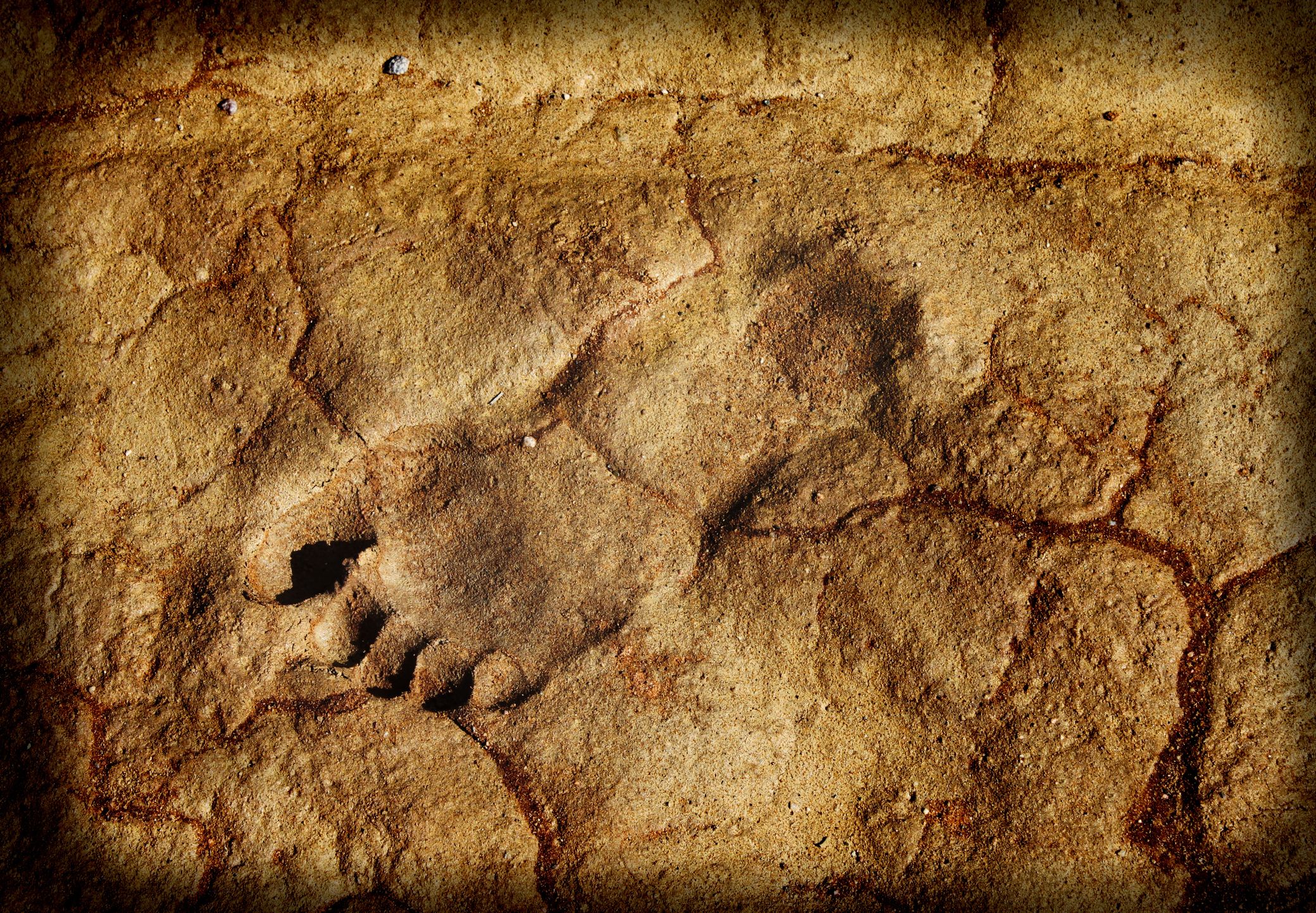
White Sands National Park has some of the most archaeologically rich sand in North America, and it is within this New Mexico landscape that the oldest footprints ever found on the continent were discovered. Research now dates those footprints to roughly 23,000 years old—about 10,000 years before it was previously believed humans existed in North America.
“The site in New Mexico has rewritten history books as we’ve discovered wonderful examples of human activity, the way that humans interacted with one another, with the landscape, and with the animal life there,” Sally Reynolds, principal academic in paleoecology at Bournemouth University, said in a statement. “These footprints provide a valuable window into the lives our ancestors lived and how much they were like us.”
Previously believed to be about 13,000 years old, a study in 2021 by U.S. Geological Survey researchers instead dated the footprints to about 23,000 years ago using radiocarbon dating methods. Scientists wanted to confirm those findings, though, and published another study in the journal Science in late 2023 that confirmed the newly “calibrated” aging of the footprints with the dating of fossilized pine pollen.
With pollen and common ditch grass seed found both in the footprints and within the same layer of hardened mud in which the footprints were found, the team was able to confirm the new 23,000-year-old date, showing that humans were on the continent during the Last Glacial Maximum. The team also used optical stimulated luminescence to look at background radiation in quartz. The more energy in the quartz, the older the find. This helped corroborate the date.
More:
https://www.popularmechanics.com/science/archaeology/a70405202/23000-year-old-footprints-new-mexico-1771424670/
Or:
https://www.removepaywall.com/search?url=https://www.popularmechanics.com/science/archaeology/a70405202/23000-year-old-footprints-new-mexico-1771424670/
 = new reply since forum marked as read
Highlight:
NoneDon't highlight anything
5 newestHighlight 5 most recent replies
= new reply since forum marked as read
Highlight:
NoneDon't highlight anything
5 newestHighlight 5 most recent replies

Easterncedar
(5,943 posts)Thanks, Judi Lynn. I always appreciate the revelations you bring. I learn so much from you.
(I wish I could thank you in person.)
patphil
(8,897 posts)
erronis
(23,350 posts)Just post this bit works:
https://www.google.com/search?q=original+spear+video+from+primal
And that gives you an "AI overview" versus citable references.
Sorry to rant about this, but google and all the rest of them already know way too much about us.
erronis
(23,350 posts)
Judi Lynn
(164,122 posts)It was interesting to read that the sand there is pulverized gypsum, largely. So much has happened in that amazing area.
Interesting to see that others who tried to date the site's age extended the time frame a few thousand years, as well.
Thanks for taking the time to share this great information. Adds real food for thought.

Permanut
(8,210 posts)Last edited Sun Feb 22, 2026, 11:09 PM - Edit history (1)
Where did they live, what did they eat, how did they get there, on and on.
Judi Lynn
(164,122 posts)It's overwhelming, by all means.
Lovie777
(22,454 posts)

OAITW r.2.0
(31,874 posts)What would the world have looked like 23,000 years ago? What was the social structure?

hunter
(40,539 posts)All that water was locked up as glaciers.
There's not much evidence of human habitation because most people lived near the coasts as any seafaring people would. Whatever might remain of their societies is underwater now.
I doubt coastal people of that time felt much pressure to move inland where conditions could be much harsher.
Others may argue.

BidenRocks
(3,038 posts)swoosh! 

OC375
(609 posts)Anything not made of stone is gone. What would the find of the US in 23k years? Mt Rushmore and similar, National Mall remnants, and not a lot else. Even concrete is long gone.

multigraincracker
(37,286 posts)that were hard to explain. Not enough to make a paradigm shift. Now they have enough information to verify the age and the paradigm has changed. It will change again and again with more anomalies to come and more paradigm shifts.
That’s the history of the science of archaeology.